Whole-house repiping for older Seattle homes
Galvanized steel from the twenties, polybutylene from the eighties, or copper with pinholes. We replace the run room by room and patch the walls behind us.
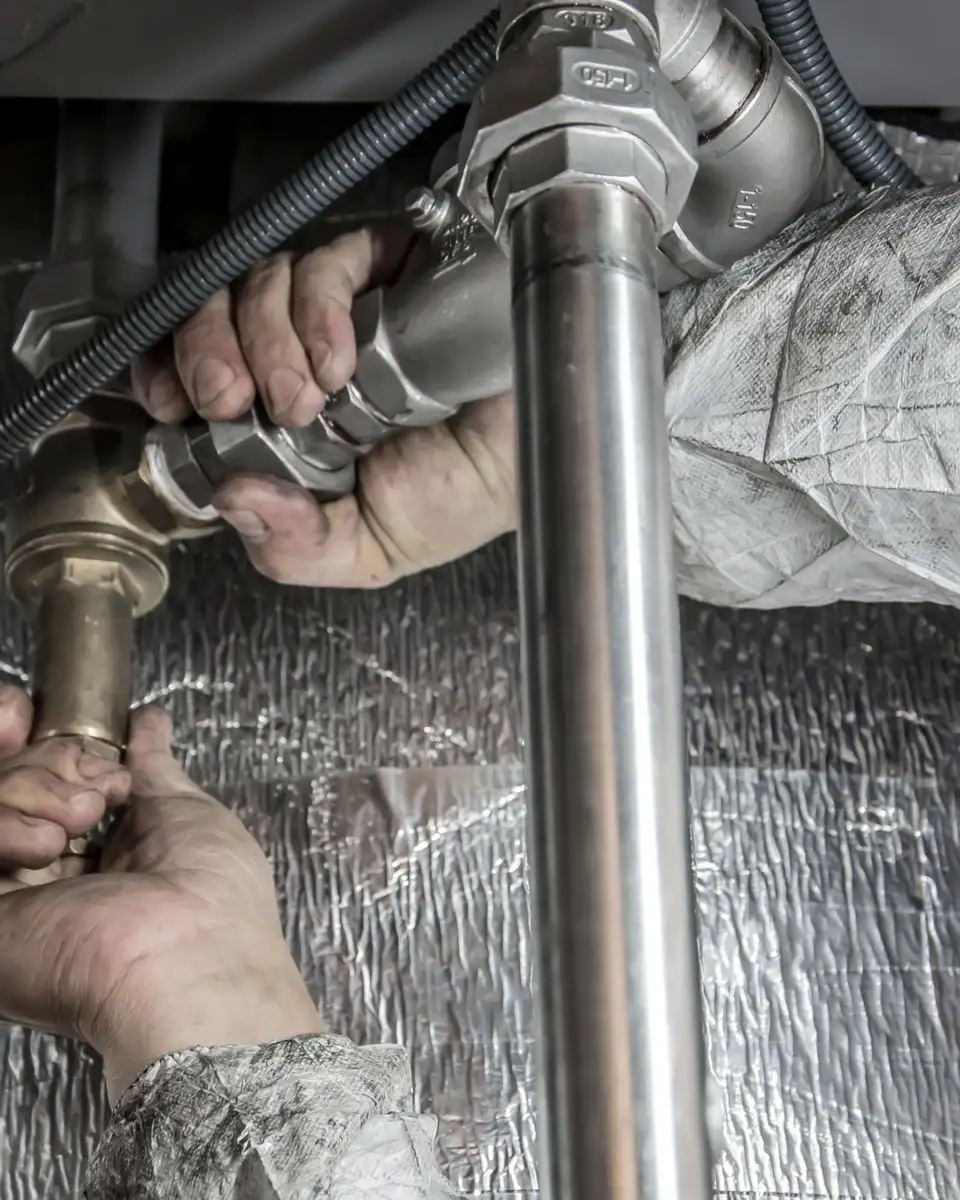
Included
What the job includes
- Camera and pressure test of the existing pipe, with photos
- A route plan that opens the fewest walls
- New PEX or copper supply lines to every fixture
- New shut-off valves at each fixture
- Drywall or plaster patch, ready for paint
- Permit and inspection
Signs
When to call
- Low water pressure upstairs, or when two taps run at once
- Brown or rusty water after the house sits overnight
- More than one pinhole leak in a year
- Grey or grey-blue plastic pipe stamped PB (polybutylene)
The work
How the job runs
- Walk-through: we look at every fixture, the basement and the attic
- Written estimate with the route, the material and the patch plan
- Work in stages so you keep water most evenings
- Inspection before the walls close
- Patch, clean up, and a final walk with you
Price
Price in writing, before we start
Repipes are priced by the number of fixtures, the floors, and how the walls are built (plaster costs more to open and patch than drywall). The estimate shows each so nothing is a surprise.
Questions
Common questions
Do we have to move out?
Usually not. Most repipes are staged so water is back on by evening. Your estimate says which days are without water.
PEX or copper?
Both last. PEX goes through walls with fewer openings and costs less; copper suits exposed runs and owners who want metal. We price both if you ask.
Reply
Tell us about the house.
Three short questions to schedule a visit. For water on the floor, do not fill in a form: call now, a plumber picks up at (206) 555-0172.